
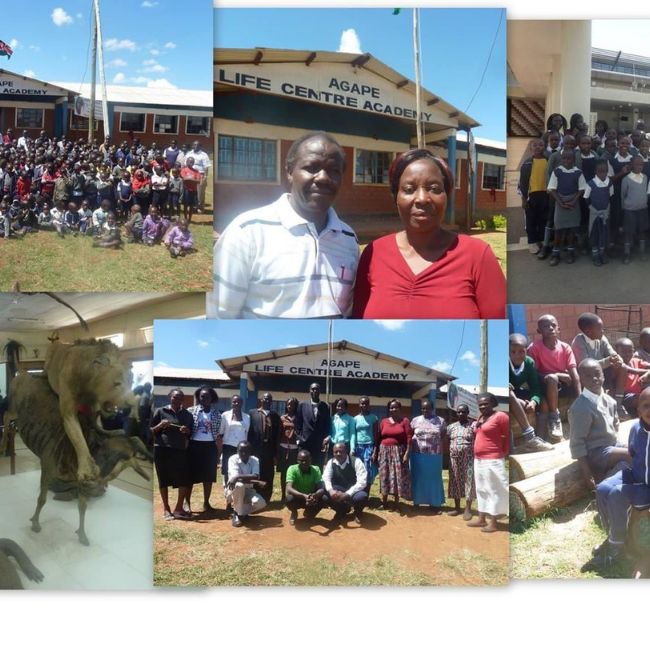
Creating a Positive Classroom Environment: Strategies for Primary School Teachers
Creating a positive classroom environment is crucial for fostering a supportive and engaging learning space for primary school students. Here are some strategies that primary school teachers can employ to promote a positive classroom environment:
- Establish Clear Expectations: Set clear and age-appropriate expectations for behavior, participation, and work ethic. Communicate these expectations to the students and consistently reinforce them throughout the year.
- Cultivate a Culture of Respect: Teach students the importance of respecting themselves, their peers, and their teachers. Encourage active listening, empathy, and inclusivity. Model respectful behavior and address any instances of disrespect promptly.
- Foster a Sense of Belonging: Create a classroom community where every student feels valued and included. Encourage collaboration, teamwork, and peer support. Celebrate diversity and create opportunities for students to share their unique backgrounds and perspectives.
- Promote Positive Communication: Encourage open and respectful communication among students and between students and teachers. Establish routines for sharing thoughts, ideas, and concerns. Teach conflict resolution and problem-solving skills to promote effective communication.
- Provide Clear and Constructive Feedback: Give specific and constructive feedback to students on their work and behavior. Focus on strengths and areas for improvement, providing guidance for growth. Recognize and celebrate individual and collective achievements.
- Encourage Student Engagement: Use a variety of instructional strategies to actively engage students in the learning process. Incorporate hands-on activities, group work, discussions, and interactive technologies. Tailor lessons to students’ interests and learning styles.
- Create a Safe and Supportive Environment: Ensure that students feel physically and emotionally safe in the classroom. Set clear guidelines for behavior, address bullying or negative behaviors promptly, and promote a non-threatening atmosphere.
- Establish a Classroom Routine: Develop a predictable daily routine that provides structure and consistency for students. This helps them feel secure and allows for smoother transitions between activities.
- Celebrate Effort and Progress: Recognize and celebrate students’ efforts, progress, and achievements. Offer praise and rewards for their hard work and perseverance. Create a positive atmosphere that encourages a growth mindset and resilience.
- Collaborate with Parents and Guardians: Foster strong partnerships with parents and guardians through regular communication. Involve them in their child’s education, provide updates on progress, and seek their input and support in maintaining a positive classroom environment.
By implementing these strategies, primary school teachers can create a positive classroom environment that promotes student engagement, social-emotional development, and academic success.

